

Can a pipe settlement joint be used in high - pressure systems? That's a question I get asked a lot as a supplier of Pipe Settlement Joints. In this blog, I'm gonna dig deep into this topic and share my insights based on years of experience in the industry.
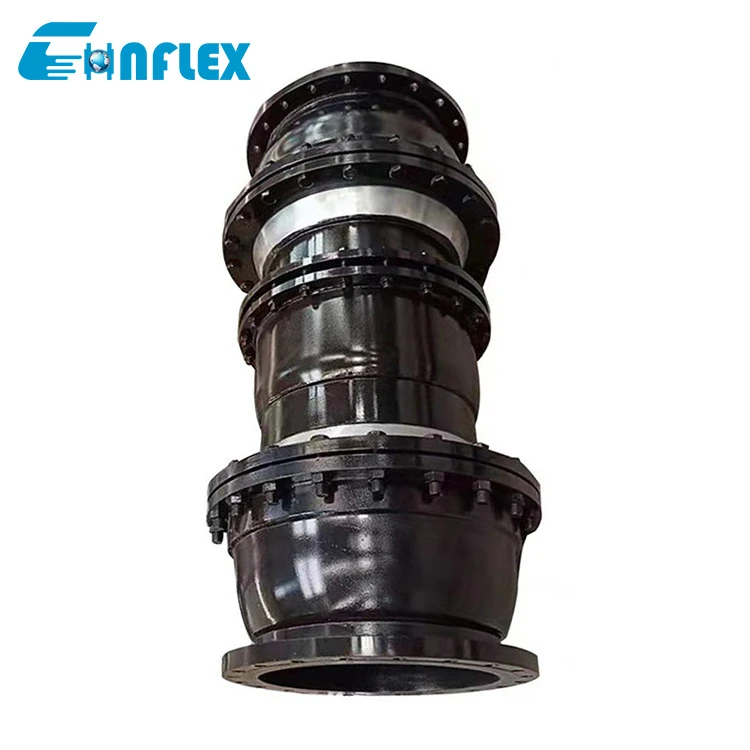
First off, let's understand what a pipe settlement joint is. A pipe settlement joint is a crucial component in piping systems. It's designed to absorb movements caused by settlement, thermal expansion, and contraction. These joints play a vital role in maintaining the integrity of the pipeline, especially in areas where the ground may shift or where temperature variations are significant. You can check out more about Pipe Settlment Joint on our website.
Now, when it comes to high - pressure systems, things get a bit more complicated. High - pressure systems are those where the fluid or gas flowing through the pipes is under a significant amount of pressure. Think of industrial plants, power generation facilities, or even some large - scale water distribution networks. In these systems, every component has to be able to withstand the pressure without failing.
So, can a pipe settlement joint handle high - pressure situations? The answer is, it depends. There are several factors to consider.
Material and Design
The material of the pipe settlement joint is a major factor. Most high - quality pipe settlement joints are made from materials like rubber, metal, or a combination of both. Rubber joints are known for their flexibility and ability to absorb vibrations. They can handle a certain level of pressure, but there are limits. If the pressure is too high, the rubber may start to deform or even rupture.
On the other hand, metal joints, such as those made from stainless steel or ductile iron, are generally more robust. They can withstand higher pressures, but they may not be as flexible as rubber joints. The design of the joint also matters. A well - designed joint will have features that distribute the pressure evenly across the joint, reducing the risk of failure. For example, some joints have reinforced layers or special sealing mechanisms.
Pressure Rating
Every pipe settlement joint comes with a pressure rating. This is the maximum pressure that the joint is designed to handle safely. When considering using a pipe settlement joint in a high - pressure system, it's essential to check this rating. If the system's pressure exceeds the joint's rating, it's a no - go. You need to find a joint with a higher pressure rating or look for alternative solutions.
Installation and Maintenance
Proper installation is crucial, especially in high - pressure systems. A poorly installed pipe settlement joint can lead to leaks or even catastrophic failures. It's important to follow the manufacturer's installation instructions carefully. This may include things like proper alignment, torqueing of bolts, and using the right gaskets.
Maintenance is also key. Regular inspections can help identify any signs of wear or damage early on. For example, checking for cracks in the rubber or signs of corrosion in metal joints. If any issues are found, they should be addressed immediately to prevent further problems.
Compatibility with Other Components
In a high - pressure system, the pipe settlement joint needs to be compatible with other components in the pipeline. This includes pipes, valves, and fittings. For instance, if the joint is made from a different material than the pipes, there could be issues with corrosion or different rates of expansion and contraction. You might also want to consider using Ductile Iron Grooved Fittings which are known for their durability and compatibility in various systems.
Real - World Examples
Let's look at some real - world scenarios. In a power plant, high - pressure steam is used to generate electricity. The pipes carrying this steam are under extreme pressure. In such a case, a pipe settlement joint made from high - strength metal with a high pressure rating would be required. The joint needs to be able to handle the pressure while also absorbing any movements caused by thermal expansion.
In a water distribution network, although the pressure may not be as extreme as in a power plant, it can still be significant, especially in areas with high - rise buildings. Here, a well - designed rubber or metal pipe settlement joint can be used to absorb ground settlement and prevent pipe damage.
Advantages of Using Pipe Settlement Joints in High - Pressure Systems
Despite the challenges, there are some advantages to using pipe settlement joints in high - pressure systems. They can help reduce stress on the pipes, which can extend the lifespan of the entire pipeline. By absorbing movements, they can also prevent leaks and reduce the need for costly repairs.
Disadvantages and Risks
However, there are also some disadvantages and risks. As mentioned earlier, if the joint's pressure rating is exceeded, it can fail. This can lead to leaks, which can be dangerous in high - pressure systems. There's also the risk of improper installation or maintenance, which can compromise the joint's performance.
Conclusion
So, to answer the question, yes, a pipe settlement joint can be used in high - pressure systems, but it requires careful consideration. You need to look at the material, design, pressure rating, installation, maintenance, and compatibility with other components. If all these factors are taken into account, a pipe settlement joint can be a valuable addition to a high - pressure system.
If you're in the market for a pipe settlement joint for your high - pressure system, don't hesitate to reach out. We're here to help you find the right solution for your specific needs. Whether you need a joint with a high pressure rating or one that's compatible with other components in your pipeline, we've got you covered. And if you ever need to repair a water pipe, check out our Water Pipe Repair Clamp.

We look forward to discussing your requirements and helping you make the best choice for your project. Contact us today to start the procurement process and let's work together to ensure the success of your high - pressure system.
References
- ASME B31.3 Process Piping Code
- Manufacturer's specifications for pipe settlement joints
- Industry standards for high - pressure piping systems