

Hey there! I'm a supplier of metal expansion joints, and I know how important it is to keep these things clean. A well - maintained metal expansion joint not only lasts longer but also performs better. In this blog, I'll share some tips on how to clean a metal expansion joint.
Why Cleaning is Necessary
First off, let's talk about why cleaning is so crucial. Metal expansion joints are often exposed to all sorts of harsh environments. They can be in industrial settings where there are chemicals, dust, and high temperatures. Over time, dirt, debris, and corrosive substances can build up on the surface of the joint. This build - up can cause several problems. For instance, it can reduce the flexibility of the joint, making it less effective at absorbing movements. It can also lead to corrosion, which will eventually weaken the structure of the joint and may even cause it to fail.
Pre - cleaning Preparation
Before you start cleaning, there are a few things you need to do. First, make sure the system where the metal expansion joint is installed is shut down. You don't want any moving parts or flowing fluids to cause an accident while you're cleaning. Also, wear appropriate personal protective equipment (PPE). This might include gloves to protect your hands from chemicals or sharp edges, safety glasses to shield your eyes from debris, and a respirator if there are any harmful fumes.
Next, assess the condition of the expansion joint. Look for any visible signs of damage, like cracks or leaks. If you find any, it's a good idea to consult a professional before proceeding with the cleaning. Sometimes, cleaning a damaged joint can make the problem worse.
Types of Metal Expansion Joints and Cleaning Approaches
There are different types of metal expansion joints, and the cleaning method might vary a bit depending on the type.
Welded Metal Expansion Joint
The Welded Metal Expansion Joint is a common type. These joints are joined by welding, which gives them a strong and durable structure. When cleaning a welded metal expansion joint, start by using a soft - bristled brush to remove loose dirt and debris. You can use a dry brush first to get rid of the big chunks. Then, dampen the brush slightly and gently scrub the surface to remove any stubborn dirt.
For more stubborn stains or contaminants, you might need to use a mild cleaning solution. A solution of warm water and a small amount of dish soap usually works well. Avoid using harsh chemicals as they can damage the welded areas. After applying the cleaning solution, rinse the joint thoroughly with clean water. Make sure all the soap residue is removed, as it can attract more dirt over time.
Exhaust Bellows Expansion Joint
The Exhaust Bellows Expansion Joint is designed to handle high - temperature exhaust gases. These joints are often exposed to soot, carbon deposits, and other combustion by - products. To clean an exhaust bellows expansion joint, you'll need a more heavy - duty approach.
Start by using a degreaser. There are many commercial degreasers available in the market. Apply the degreaser to the joint and let it sit for a few minutes to break down the grease and carbon deposits. Then, use a stiff - bristled brush to scrub the surface. You may need to apply some pressure, but be careful not to damage the bellows.
After scrubbing, rinse the joint with a high - pressure water hose. This will help remove the loosened dirt and degreaser. Make sure the joint is completely dry before putting the system back into operation, as moisture can cause rusting in the high - temperature environment.
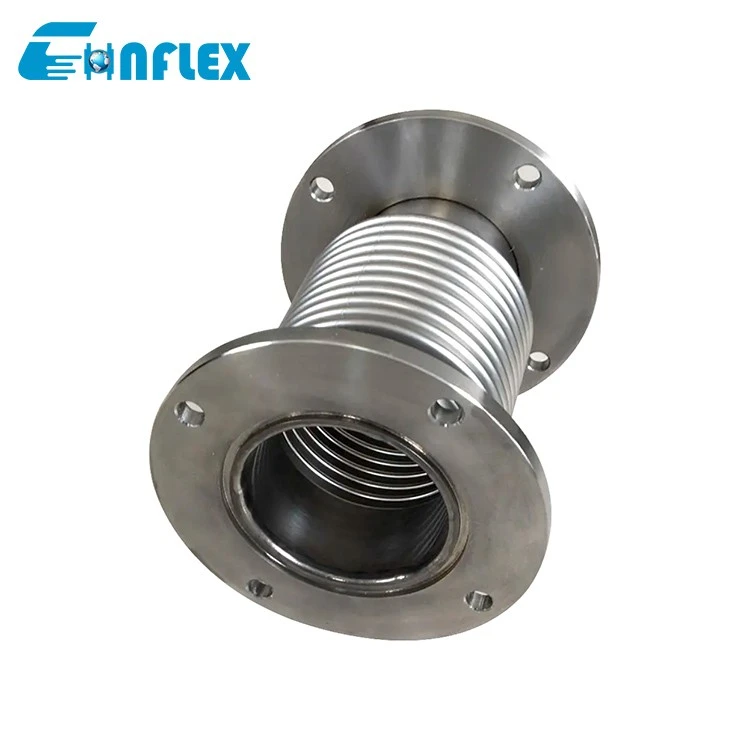
Flanged Metal Expansion Joint
The Flanged Metal Expansion Joint has flanges at the ends for easy installation. When cleaning a flanged metal expansion joint, pay special attention to the flanges. These areas can collect dirt and debris, which can affect the sealing performance.
Use a wire brush to clean the flanges. This will help remove any rust or scale that has built up. For the body of the joint, you can follow a similar cleaning process as for the welded metal expansion joint. Use a mild cleaning solution and a soft - bristled brush to clean the surface.

Drying and Inspection
Once you've finished cleaning the metal expansion joint, it's important to dry it properly. You can use a clean, dry cloth to wipe off the excess water. If possible, let the joint air - dry in a well - ventilated area. Avoid using heat sources to dry the joint quickly, as this can cause uneven expansion and potentially damage the joint.
After the joint is dry, conduct a thorough inspection. Check for any remaining dirt or stains. Look closely at the welds, bellows, and flanges for any signs of damage that might have been missed before. If everything looks good, you're ready to reinstall the joint.
Regular Maintenance and Cleaning Schedule
To keep your metal expansion joints in top condition, it's a good idea to establish a regular cleaning and maintenance schedule. How often you clean the joints depends on the operating environment. In a very dirty or corrosive environment, you might need to clean them every few months. In a cleaner environment, once or twice a year might be sufficient.
Regular cleaning is just one part of the maintenance process. You should also check the alignment of the joint, the tightness of the bolts (if applicable), and the overall performance of the system.
Conclusion
Cleaning a metal expansion joint is not a complicated task, but it does require some attention to detail. By following the right steps and using the appropriate cleaning methods, you can ensure that your metal expansion joints last longer and perform better.
If you're in the market for high - quality metal expansion joints or need more advice on their maintenance, don't hesitate to reach out. We're here to help you with all your metal expansion joint needs. Whether you're looking for a Welded Metal Expansion Joint, an Exhaust Bellows Expansion Joint, or a Flanged Metal Expansion Joint, we've got you covered. Contact us today to start a discussion about your requirements!
References
- Industrial Maintenance Handbook: Covers general maintenance and cleaning procedures for industrial equipment.
- Metal Expansion Joint Manufacturer's Guidelines: Specific instructions provided by the manufacturers of metal expansion joints.