

Rotary compensators are essential components in many industrial piping systems, playing a crucial role in compensating for thermal expansion and contraction. One question that often arises among industry professionals is: What is the power consumption of a Rotary Compensator? As a leading supplier of Rotary Compensators, I am here to delve into this topic and provide you with a comprehensive understanding.
Understanding Rotary Compensators
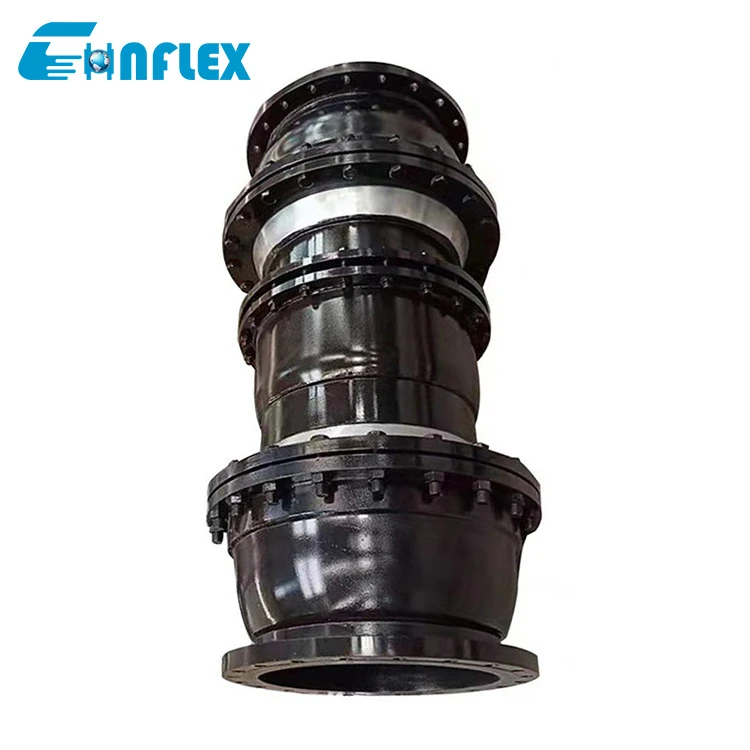
Before we discuss power consumption, let's first understand what a Rotary Compensator is. A Rotary Compensator is a device used to absorb thermal expansion and contraction in piping systems. It works by allowing the pipe to rotate around a pivot point, which effectively compensates for the changes in length caused by temperature variations. This helps to prevent stress and damage to the piping system, ensuring its long - term reliability and safety.
There are different types of Rotary Compensators available in the market, each designed to meet specific requirements. Some are suitable for high - temperature applications, while others are better suited for low - pressure systems. The design and construction of a Rotary Compensator can significantly impact its performance and power consumption.
Factors Affecting Power Consumption
The power consumption of a Rotary Compensator is influenced by several factors. One of the primary factors is the operating temperature. Higher operating temperatures can increase the resistance within the compensator, requiring more power to achieve the necessary rotation. For example, in a high - temperature industrial process where the pipes are exposed to extreme heat, the Rotary Compensator may need to work harder to compensate for the expansion, resulting in higher power consumption.
Another important factor is the size and design of the compensator. Larger compensators generally require more power to operate due to their increased mass and the greater amount of movement they need to accommodate. The internal structure of the compensator, such as the type of bearings and seals used, can also affect power consumption. High - quality bearings with low friction coefficients can reduce the power required for rotation, while poorly designed seals may cause additional resistance and increase power usage.
The frequency of operation is also a significant factor. If the Rotary Compensator is required to operate frequently, such as in a process with rapid temperature changes, it will consume more power over time. On the other hand, in a system where the temperature changes are relatively slow and infrequent, the power consumption will be lower.
Measuring Power Consumption
Measuring the power consumption of a Rotary Compensator can be a complex task. It typically involves using specialized equipment to monitor the electrical or mechanical power input to the compensator. In some cases, power meters can be installed directly on the drive system of the compensator to measure the electrical power consumption. For mechanical compensators, torque sensors can be used to measure the force required for rotation, which can then be used to calculate the power consumption.
It's important to note that the power consumption of a Rotary Compensator is not a fixed value. It can vary depending on the operating conditions and the specific requirements of the piping system. Therefore, it's essential to conduct regular monitoring and analysis to optimize the power consumption and ensure the efficient operation of the compensator.
Power Consumption in Different Applications
The power consumption of a Rotary Compensator can vary significantly depending on the application. In the power generation industry, for example, Rotary Compensators are often used in steam pipelines. These pipelines operate at high temperatures and pressures, and the compensators need to be able to handle large amounts of thermal expansion. As a result, the power consumption in these applications can be relatively high.
In the chemical industry, Rotary Compensators are used in various process pipelines. The power consumption in this industry depends on the specific chemicals being processed and the operating conditions. For example, in a pipeline carrying corrosive chemicals, the compensator may need to be made of special materials, which can affect its power consumption.
In the HVAC (Heating, Ventilation, and Air Conditioning) industry, Rotary Compensators are used to compensate for thermal expansion in ductwork. The power consumption in HVAC applications is generally lower compared to industrial applications, as the operating temperatures and pressures are relatively mild.
Energy - Saving Strategies
As a supplier of Rotary Compensators, we are committed to helping our customers reduce their energy consumption. One of the most effective energy - saving strategies is to choose the right compensator for the application. By selecting a compensator with the appropriate size, design, and materials, customers can ensure that the compensator operates efficiently and consumes less power.
Regular maintenance is also crucial for reducing power consumption. Keeping the compensator clean and well - lubricated can help to reduce friction and improve its performance. Additionally, replacing worn - out components such as bearings and seals in a timely manner can prevent additional resistance and lower power usage.
Another energy - saving strategy is to optimize the operating conditions of the piping system. This can include adjusting the temperature and pressure settings to minimize the amount of thermal expansion and contraction. By reducing the workload on the Rotary Compensator, the power consumption can be significantly reduced.
Related Products and Their Applications
In addition to Rotary Compensators, we also offer a range of related products that can enhance the performance of piping systems. Pipe Settlment Joint is one such product. It is designed to accommodate settlement and movement in pipes, which can help to prevent damage and reduce stress on the system. This can indirectly affect the power consumption of the Rotary Compensator by reducing the overall workload on the piping system.
Dismantling Expansion Joint is another important product. It allows for easy installation and maintenance of the piping system. By facilitating quick and efficient repairs, it can minimize the downtime of the system and ensure that the Rotary Compensator operates at its optimal level.
Ductile Iron Grooved Fittings are also widely used in piping systems. They provide a reliable and leak - proof connection, which can improve the overall efficiency of the system. By reducing leaks and pressure losses, these fittings can contribute to lower power consumption in the piping system.

Contact Us for Procurement
If you are interested in purchasing Rotary Compensators or any of our related products, we invite you to contact us for procurement. Our team of experts is ready to assist you in selecting the right products for your specific needs. We can provide detailed technical information, product specifications, and pricing to help you make an informed decision. Whether you are in the power generation, chemical, HVAC, or any other industry, we have the solutions to meet your requirements.
References
- "Piping Handbook" by Cameron Engineering and Associates
- "Thermal Expansion and Contraction in Piping Systems" by ASME (American Society of Mechanical Engineers)
- "Energy - Efficient Piping System Design" by various industry research papers